Dutch art describes the history of visual arts in the Netherlands, after the United Provinces separated from Flanders.
Earlier painting in the area is covered in Early Netherlandish painting and Dutch and Flemish Renaissance painting.
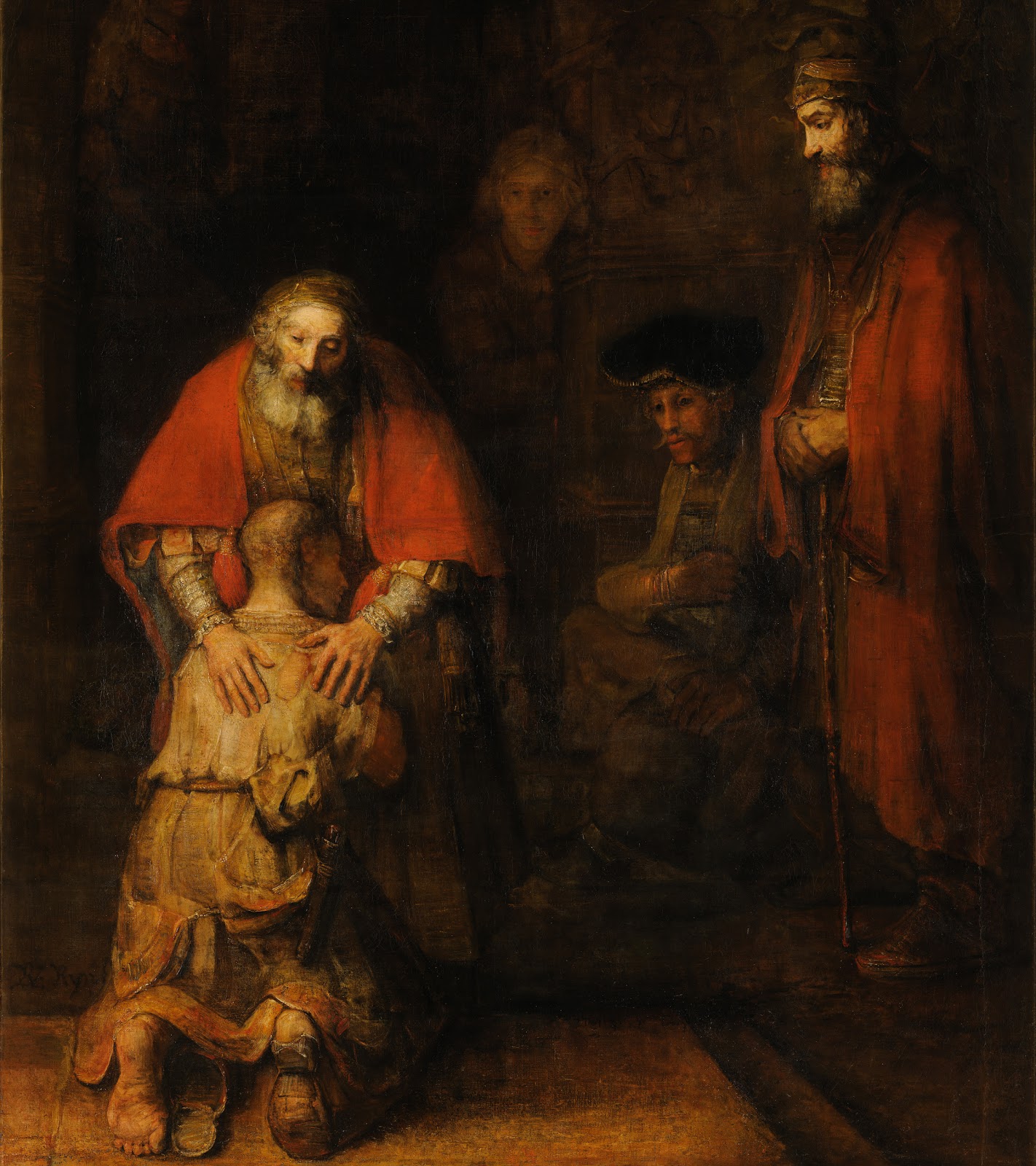
The history of Dutch art is dominated by the Dutch Golden Age painting, mostly of about 1620-1680, when a very distinct style and new types of painting were developed, though still keeping close links with Flemish Baroque painting.


There was a healthy artistic climate in Dutch cities during the seventeenth century.
For example, between 1605-1635 over 100,000 paintings were produced in Haarlem.
At that time art ownership in the city was 25%, a record high.
After the end of the Golden Age, production of paintings remained high, but ceased to influence the rest of Europe as strongly.
Many painters, sculptors and architects of the seventeenth century are called "Dutch masters", while earlier artists are generally referred to as part of the "Netherlandish" tradition.
An individual work's being labelled or catalogued as "Dutch School" without further attribution indicates that an individual artist for the work cannot be ascertained.
The Hague School of the 19th century re-interpreted the range of subjects of the Golden Age in contemporary terms, and made Dutch painting once again a European leader.
In the successive movements of art since the 19th century, the Dutch contribution has been best known from the work of the individual figures of Vincent van Gogh and Piet Mondrian, though both did their best work outside the Netherlands, and took some time to be appreciated.
Amsterdam Impressionism had a mainly local impact, but the De Stijl movement, of which Mondrian was a member, was influential abroad. | © Wikipedia
List of Dutch Artists: Painters, Sculptors, Photographers, Poets, Musicants, Writers published on Tutt'Art@



L'arte Olandese descrive la storia delle arti visive nei Paesi Bassi, dopo che le province unite si separarono dalle Fiandre.
La pittura precedente nell'area è coperta dalla pittura dei primi Paesi Bassi e dalla pittura rinascimentale olandese e fiamminga.
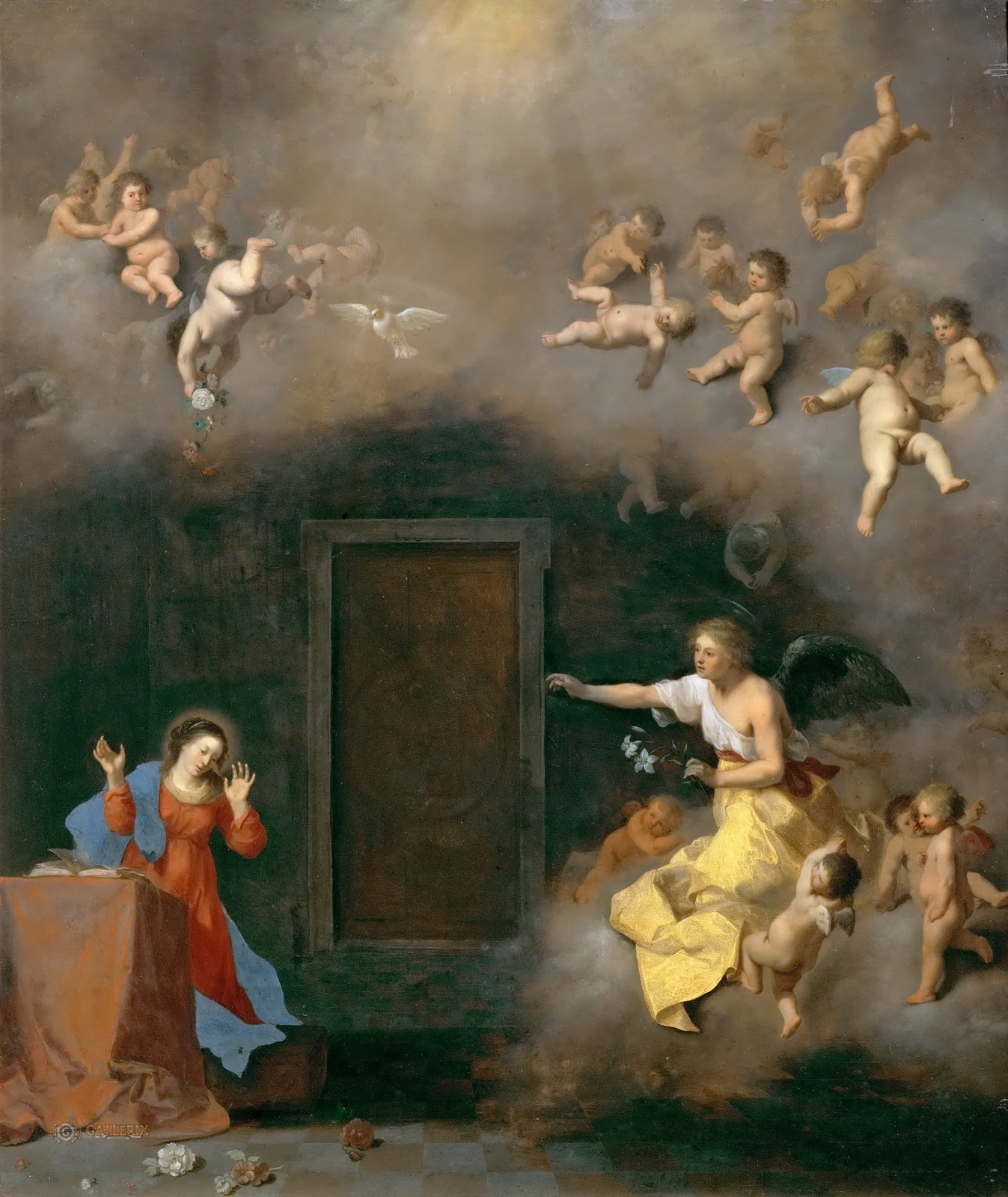
La storia dell'arte olandese è dominata dalla pittura olandese dell'età d'oro, per lo più dal 1620-1680 circa, quando furono sviluppati uno stile molto distinto e nuovi tipi di pittura, pur mantenendo stretti legami con la pittura barocca fiamminga.
C'era un clima artistico salutare nelle città olandesi durante il diciassettesimo secolo.
Ad esempio, tra il 1605-1635 furono prodotti oltre 100.000 dipinti ad Haarlem.
A quel tempo la proprietà artistica in città era del 25%, un livello record.
Dopo la fine dell'età d'oro, la produzione di dipinti rimase alta, ma cessò di influenzare il resto dell'Europa con la stessa forza.

Molti pittori, scultori e architetti del diciassettesimo secolo sono chiamati "maestri olandesi", mentre gli artisti precedenti sono generalmente indicati come parte della tradizione "olandese".
Un'opera individuale che viene etichettata o catalogata come "Scuola olandese" senza ulteriore attribuzione indica che un singolo artista per l'opera non può essere verificato.

La scuola dell'Aia del XIX secolo reinterpretò la gamma di soggetti dell'età dell'oro in termini contemporanei e rese la pittura olandese ancora una volta un leader europeo.
Nei successivi movimenti dell'arte dal 19° secolo, il contributo olandese è stato meglio conosciuto dal lavoro delle singole figure di Vincent van Gogh e Piet Mondrian, sebbene entrambi abbiano fatto il loro miglior lavoro fuori dai Paesi Bassi, e ci sia voluto del tempo per essere apprezzato.
L'impressionismo di Amsterdam ebbe un impatto principalmente locale, ma il movimento De Stijl, di cui Mondrian era membro, ebbe un'influenza all'estero.
